Introduction
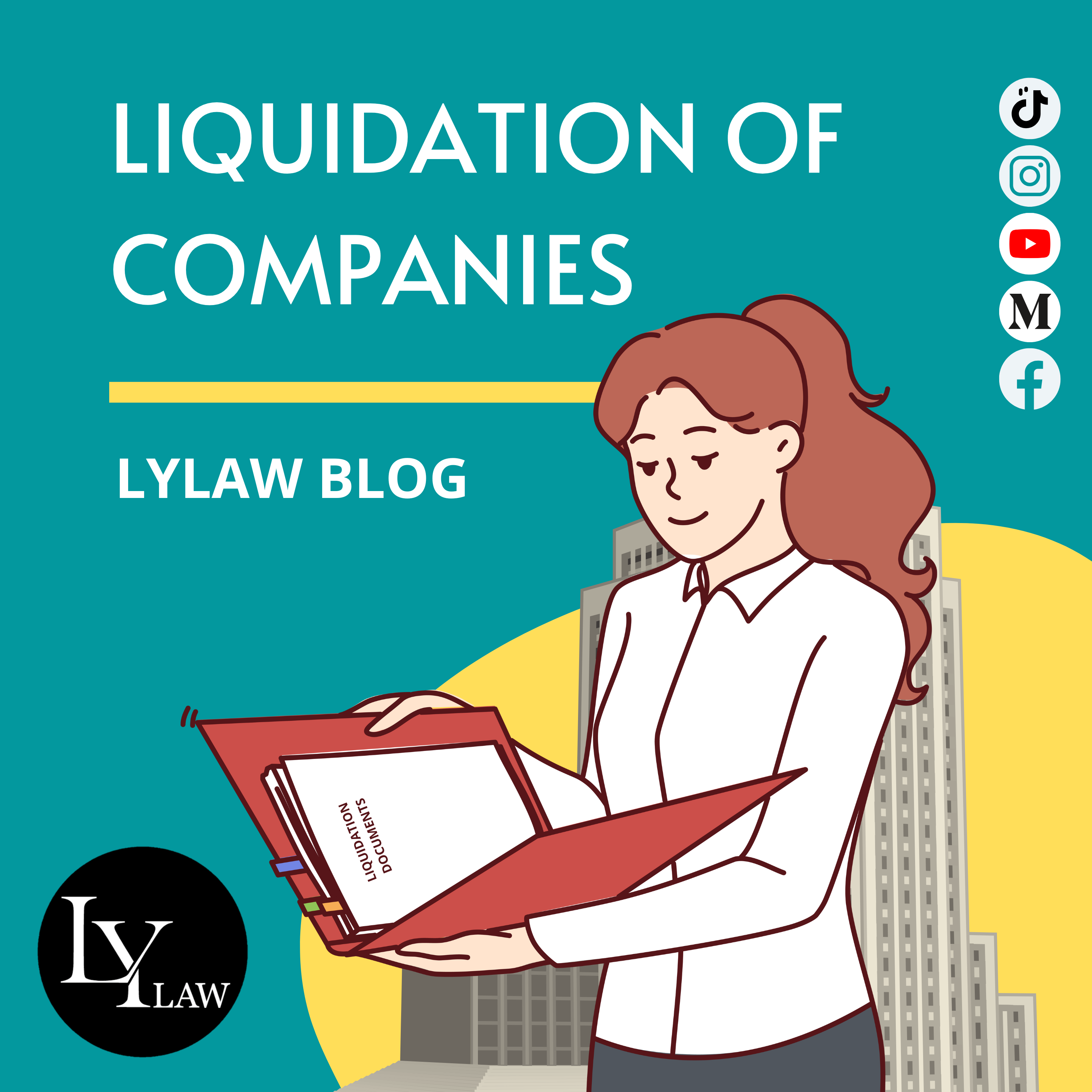
Establishing a company in the UAE is relatively straightforward. The country’s business-friendly environment, strategic location, and various free zones make setting up a business a streamlined process. However, closing down a company is a different story. Business owners often discover that winding up a company involves a complex and multi-step process that requires careful planning, compliance with legal formalities, and significant costs.
In the UAE, simply letting a company’s license expire does not automatically close down the business. Instead, a formal liquidation process is required, which includes appointing a liquidator, conducting an audit, and settling all outstanding financial and regulatory obligations. This blog outlines the key steps involved in liquidating a business in the UAE and highlights why a strategic approach is essential to avoid prolonged complications.
Legal Framework for Liquidation
The liquidation of companies in the UAE is governed by the following key laws and regulations:
- Federal Decree-Law No. 32 of 2021 on Commercial Companies – This law sets out the legal framework for corporate dissolution and liquidation of companies established onshore and in free zones.
- Cabinet Resolution No. 58 of 2020 on the Regulation of Procedures Related to Real Beneficiaries – This law mandates that companies undergoing liquidation must disclose their ultimate beneficial owners (UBOs) and provide a final report on their shareholding structure.
- Federal Law No. 6 of 2018 on Arbitration – If disputes arise during the liquidation process, arbitration may be pursued under the provisions of this law.
- Free Zone Regulations – Free zones such as JAFZA, DMCC, and DIFC have their own specific rules and procedures for company liquidation.
Why Liquidation Is Necessary
When a business owner decides to close down a company in the UAE, they are legally required to go through the liquidation process. A company’s legal existence does not automatically end when its trade license expires or operations cease. Instead, the company remains liable for regulatory filings, fines, and penalties until the liquidation process is formally completed.
Failing to liquidate a company properly can result in:
- Accumulation of fines and penalties from licensing and regulatory authorities under Article 312 of Federal Decree-Law No. 32 of 2021.
- Legal liability for outstanding debts, contracts, and employee dues under Article 314 of Federal Decree-Law No. 32 of 2021.
- Restrictions on the business owner’s ability to open future companies or secure new licenses in the UAE.
- Negative impact on the company’s shareholders and directors, including potential travel bans or financial penalties.
Key Steps in the Liquidation Process
Liquidation in the UAE involves a structured process that requires compliance with both federal and free zone regulations. The key steps are outlined below:
1. Appointment of a Liquidator
- A licensed and registered liquidator must be appointed to oversee the liquidation process, as required under Article 326 of Federal Decree-Law No. 32 of 2021.
- The appointment requires a formal resolution by the company’s shareholders, which must be notarized and submitted to the relevant authority (e.g., JAFZA, DMCC, DED).
- The liquidator’s role includes preparing the final audit report, confirming that all debts and liabilities have been settled, and issuing a liquidation certificate.
2. Financial Audit and Final Accounts
- The appointed liquidator must prepare a financial audit report, confirming the company’s financial position and that all outstanding debts have been settled.
- The audit report should confirm that the company holds no liabilities, including employee end-of-service benefits, taxes, and contractual obligations.
- The audit must be submitted to the licensing authority as part of the liquidation application, as required by Article 327 of Federal Decree-Law No. 32 of 2021.
3. Clearance from Government Authorities
Before submitting the final liquidation request, the company must secure clearance from various government bodies, which may include:
- Federal Tax Authority (FTA) – Ensuring that VAT and corporate tax obligations are settled under Federal Decree-Law No. 8 of 2017 on VAT and Federal Decree-Law No. 47 of 2022 on Corporate Tax.
- Ministry of Human Resources and Emiratisation (MOHRE) – Confirming that all employee contracts have been terminated and dues have been paid under Federal Decree-Law No. 33 of 2021 on Labour Relations.
- General Directorate of Residency and Foreigners Affairs (GDRFA) – Cancelling visas for employees and dependents.
- Free zone or mainland licensing authority – Ensuring that all annual fees, licensing costs, and other charges have been settled.
4. Liquidation Resolution and Cover Letter
- A formal resolution to liquidate the company must be drafted and approved by the shareholders, as required by Article 328 of Federal Decree-Law No. 32 of 2021.
- The resolution should authorize the appointment of the liquidator and confirm the company’s intent to close.
- A cover letter addressed to the licensing authority (e.g., JAFZA) must accompany the resolution, explaining the reason for the liquidation and the steps taken to comply with legal requirements.
5. Submission of Original Documents
- The company must provide original incorporation documents, including the trade license, memorandum of association (MOA), and any amendments.
- Scanned copies of these documents should be prepared for submission through the licensing authority’s online portal.
6. Letter from the Liquidator
- Once appointed, the liquidator should issue a formal letter confirming that they have been engaged and are working on the liquidation report.
- This letter can help expedite the processing of the liquidation request with the licensing authority.
7. Filing the Liquidation Request
- After completing the above steps, the company can file the liquidation request with the relevant licensing authority.
- The request should include the audit report, clearance certificates, liquidator appointment letter, and resolution to liquidate.
- The authority will review the request and either approve or request additional documentation.
8. Response to Compliance Requirements
- Once the liquidation request is submitted, the company should respond to any additional compliance inquiries from the licensing authority.
- This includes providing clarification on any outstanding liabilities, employee settlements, or regulatory filings.
- The licensing authority will issue a final decision confirming the company’s status.
Court Fees and Costs Involved
Liquidation of a company in the UAE is not only time-consuming but also costly. Business owners should be prepared for the following expenses:
- Liquidator Fees – Professional fees for the liquidator’s appointment and preparation of the audit report.
- Audit Fees – Fees for preparing the financial audit report.
- Government Clearance Fees – Fees for securing clearance from the FTA, MOHRE, and other authorities.
- Licensing Authority Fees – Fees for processing the liquidation request and issuing the final liquidation certificate.
Why Letting a Trade License Expire Is Not Enough
A common misconception is that allowing a company’s trade license to expire will automatically close down the business. In reality:
- The company remains legally active until it is formally liquidated.
- Regulatory authorities will continue to impose penalties for non-compliance, including failure to renew the trade license.
- The company’s directors and shareholders remain liable for outstanding debts and legal claims until the liquidation process is finalized under Article 330 of Federal Decree-Law No. 32 of 2021.
Conclusion
Liquidation of a company in the UAE is far more complex than setting one up. While establishing a business is often promoted as a seamless process, winding it down requires careful legal and financial planning. The involvement of a licensed liquidator, the preparation of final accounts, securing government clearance, and the payment of substantial fees are all necessary steps to formally close a company.
Business owners should take a strategic approach to liquidation, ensuring that they meet all legal requirements to avoid ongoing liabilities and penalties. Simply allowing a trade license to expire is not enough — without proper liquidation, the company’s legal existence and financial obligations will continue to accrue. With the right planning and legal support, business owners can navigate the liquidation process efficiently and minimize risks associated with business closure in the UAE.